Destination guide
Toronto: where we'd stay, what we'd do, and what it costs
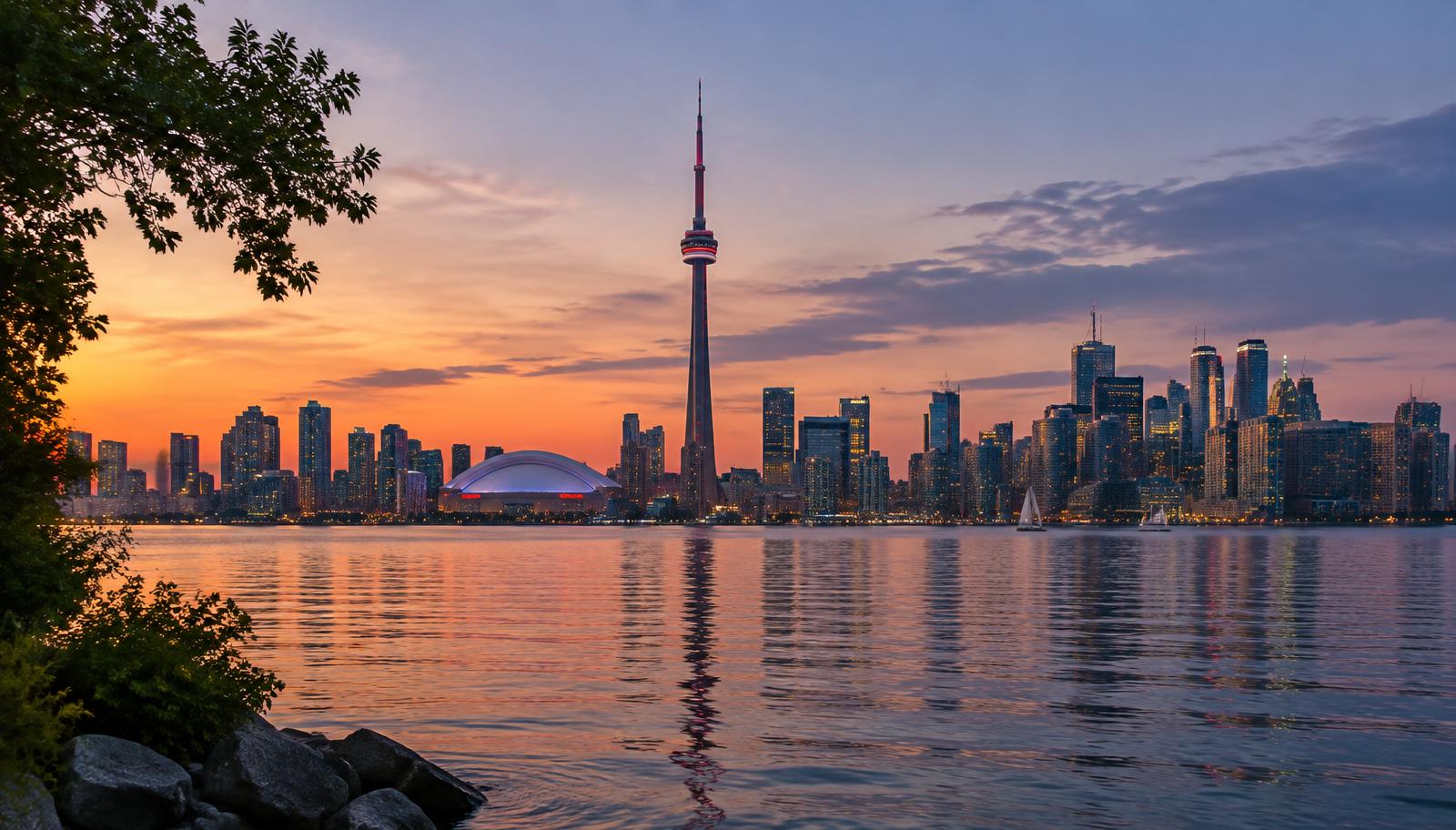
Toronto doesn't have one postcard square where everything happens. Its best parts are spread across distinct neighbourhoods, and the biggest planning mistake is zig-zagging between them.
Stay downtown, group each day by area, and use the subway and streetcars for the longer hops.
Who Toronto suits
Toronto suits food lovers, families, sports fans and anyone who likes exploring neighbourhoods on foot. It's one of the most diverse cities in the world, and that shows up most clearly in what you can eat.
Winters are cold and long; the city is still very doable then, but plan more indoor time. Late spring to early autumn is the easiest season.
Where we'd stay
Downtown keeps you within walking distance or a short subway ride of most of what visitors come for.
Entertainment District / King West
Our default for a first tripNear the CN Tower, the waterfront, theatres and lots of restaurants and bars. Walkable to Union Station for the airport train and day trips.
Yorkville
Upscale and calmLeafy streets, high-end shops, the Royal Ontario Museum nearby and good subway access. Quieter at night.
Financial District / St. Lawrence
Practical and centralClose to Union Station and the St. Lawrence Market. Busy on weekdays, calmer at weekends, often good hotel value then.
West Queen West / Ossington
More localIndependent shops, galleries, bars and restaurants. Fewer big hotels, more character; reached by streetcar.
What we'd do
CN Tower and the waterfront
Half a dayThe tower, Ripley's Aquarium next door, then a walk along the Harbourfront.
Toronto Islands
Half a dayA short ferry ride for beaches, bikes and the best skyline view, especially at sunset. Seasonal schedules apply.
Kensington Market and Chinatown
A few hoursVintage shops, cheap eats and a very different feel from downtown, right next to each other.
St. Lawrence Market
MorningA long-running food market; go hungry and early. Closed some days, so check before you go.
Royal Ontario Museum and the AGO
Half a dayThe city's big museum and art gallery; pick one per day rather than both back to back.
Getting around
- The UP Express train links Pearson Airport and Union Station in about 25 minutes.
- The TTC subway, streetcars and buses cover the city; pay by tapping a credit card or phone.
- Downtown traffic is heavy at rush hour — transit is often faster than a car or taxi.
- Niagara Falls is roughly 1.5–2 hours away by car or train; treat it as a full day.
What a weekend roughly costs
Rough estimates per person in Canadian dollars, for planning only — prices vary by season and events. Your planner results show current estimates for your dates.
| Downtown hotel, per nightPer room; higher on event weekends | CA$200–400 |
|---|---|
| Food and drink, per day | CA$60–130 |
| Sights and tickets, per dayThe CN Tower is the big one | CA$20–60 |
| Local transport, per day | CA$7–25 |
If Toronto isn't quite right
- Want something more European in feel? Montreal is a short flight or about five hours by train.
- Want nature? Niagara wine country or Prince Edward County make good overnight escapes.
Common questions
How many days do you need in Toronto?
Two to three days covers the waterfront, the Islands, Kensington Market and a museum. Add a day for Niagara Falls.
Where should first-time visitors stay in Toronto?
The Entertainment District or King West: central, walkable to the main sights, and close to Union Station.
Do you need a car in Toronto?
No. Transit covers the centre well and traffic is heavy. A car only helps for day trips outside the city.
How do you get from Pearson Airport to downtown Toronto?
The UP Express train runs to Union Station in about 25 minutes, usually faster than a taxi at busy times.
This is one way we'd plan Toronto
Want a version built around your dates, budget and what you enjoy? We'll pick the travel, the neighbourhood, the stay and a day-by-day plan, and tell you what it all costs.
Plan my Toronto trip